
Introduction
Maxillofacial surgery is a special type of surgery for the jaw, face, and mouth. It helps treat injuries, diseases, and other problems in these areas. Because the face and jaw are important for eating, speaking, and appearance, maxillofacial surgery can greatly improve quality of life. In this blog, you will learn what maxillofacial surgery is, why it is needed, and what to expect before and after the procedure.
What Is Maxillofacial Surgery?
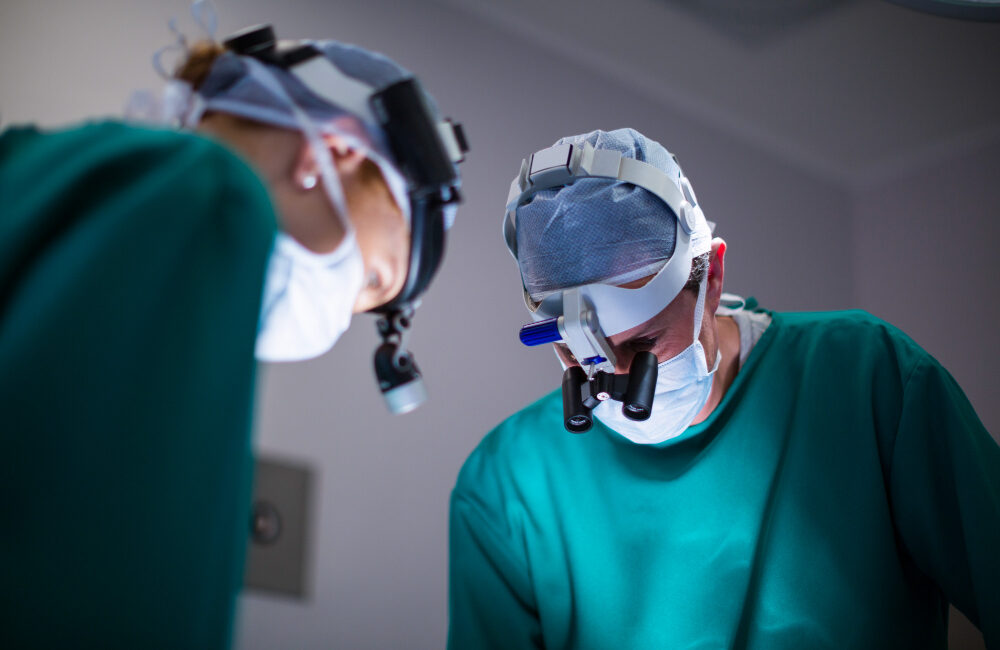
Maxillofacial surgery is a branch of surgery that focuses on the bones and soft tissues of the face, mouth, and jaw. Surgeons who perform these procedures are called oral and maxillofacial surgeons. They have special training to handle both medical and dental issues. For example, they can fix broken jaws, remove tumors, or treat infections in the mouth. This type of surgery is often done in hospitals or dental clinics.
Common Reasons for Maxillofacial Surgery
People may need maxillofacial surgery for many reasons. Some of the most common include:Facial injuries from accidents or sportsJaw problems, such as misalignment or painRemoval of wisdom teeth or other impacted teethOral cancers or tumors in the mouth or jawInfections that do not heal with medicineBirth defects, like cleft lip or palate
In addition, some people need surgery to improve their appearance or help with breathing problems.
Symptoms and Conditions Treated
Maxillofacial surgeons treat a wide range of symptoms and conditions. For instance, you may need to see a specialist if you have:Severe jaw pain or clicking soundsSwelling or lumps in the mouth or faceDifficulty chewing or speakingLoose or damaged teeth after an injuryPersistent mouth sores or bleedingFacial deformities or uneven jaw growth
Early treatment can prevent problems from getting worse. Therefore, it is important to see a dentist or doctor if you notice these symptoms.
Diagnosis and Evaluation Process
Before surgery, doctors need to find out what is causing your problem. Usually, the process starts with a medical history and a physical exam. Next, your doctor may order X-rays, CT scans, or other imaging tests. These tests help the surgeon see the bones and tissues clearly. Sometimes, a biopsy is needed to check for cancer or infection. After gathering all the information, your surgeon will discuss the best treatment plan with you.
Treatment Options and Procedures
Maxillofacial surgery includes many different procedures. Some are simple, while others are more complex. Common treatments include:Tooth extractions, especially wisdom teethRepairing broken jaws or facial bonesRemoving cysts, tumors, or growthsCorrecting jaw alignment (orthognathic surgery)Treating infections or abscessesReconstructive surgery after injury or cancer
Most surgeries are done under local or general anesthesia. Your surgeon will explain the risks and benefits before the procedure.
Recovery and Aftercare Tips
After maxillofacial surgery, recovery time depends on the type of procedure. However, there are some general tips to help you heal:Follow your surgeon’s instructions closelyTake prescribed medicines as directedEat soft foods and avoid hard or spicy foodsKeep your mouth clean, but avoid brushing near the surgery siteApply ice packs to reduce swellingRest and avoid heavy activity for a few days
If you notice fever, severe pain, or unusual bleeding, contact your doctor right away. Quick action can prevent complications.
Prevention and Oral Health Guidance
Good oral health can lower your risk of needing maxillofacial surgery. Here are some helpful tips:Brush and floss your teeth every dayVisit your dentist for regular check-upsWear a mouthguard during sportsAvoid chewing hard objects, like ice or pensDo not ignore mouth pain or swellingEat a balanced diet rich in vitamins and minerals
By following these steps, you can keep your mouth and jaw healthy. Early care can also help spot problems before they become serious.
Conclusion
Maxillofacial surgery can treat many problems of the face, jaw, and mouth. It helps people recover from injuries, infections, and other conditions. With early diagnosis and proper care, most people heal well. If you have symptoms or concerns, consult Dr. Ashwin Dental Maxillofacial and Aesthetic Clinic for personalized advice on maxillofacial surgery.
